Palm Jumeirah: Dubai's Distinctive Island Community
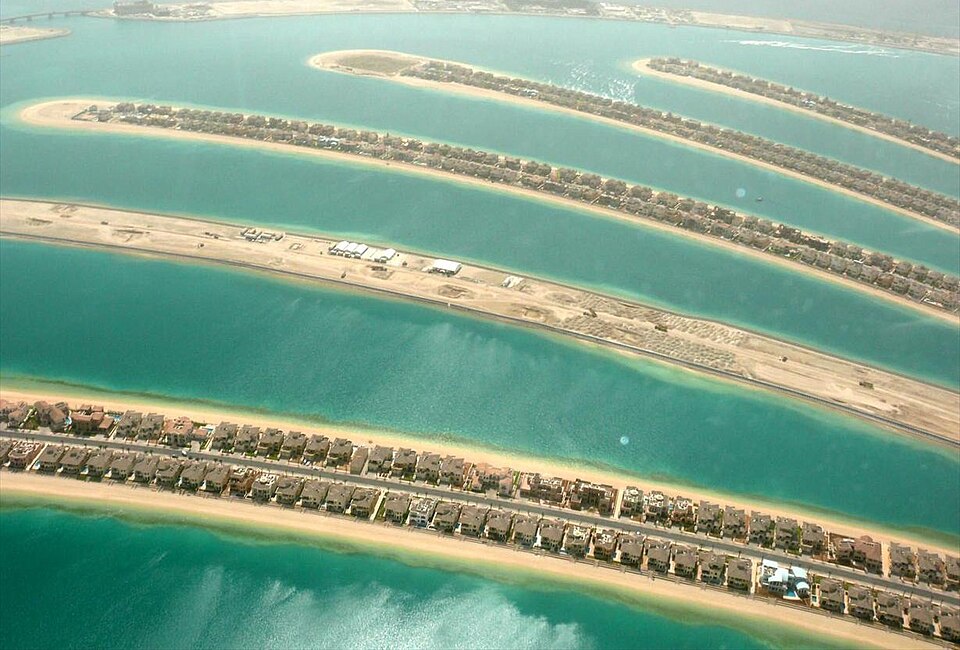
Palm Jumeirah is a man-made island whose palm-tree shape is familiar from aerial photographs. On the ground it is a series of different places: a trunk with services and transport, residential fronds and a crescent associated with major resorts. Its design makes it unlike a conventional city neighbourhood, and that unusual geography affects how people visit and live here.
The Palm belongs to the Emirate of Dubai but should not be confused with Dubai Marina or a public beach extending continuously around the coast. Some shorelines are associated with private residences or hotels. Understanding access, routes and the difference between resort facilities and everyday community services is the best way to look past the island's famous outline.
The Trunk, Fronds and Crescent
Palm Jumeirah's layout is the key to understanding it. The trunk provides the principal route onto the island, the fronds contain many residential streets and the outer crescent accommodates well-known resorts and other destinations. This structure is visually striking from above, yet movement between parts of the island takes place along actual road and transport corridors rather than across the water. An aerial view can help orient you but cannot tell you how long the last part of a journey will take.
Addresses on different fronds or on the crescent can have very different relationships to shops, public transport and beach access. Before booking accommodation or considering a home, inspect the exact position and what can be reached on foot. Do not assume that a beach visible from one property is open to everyone. Access rules should be confirmed with the relevant operator or property, especially when plans depend on swimming or shoreline facilities.
Resorts and Visitor Attractions
The island is associated with major hotels, dining and leisure venues, including resorts on the crescent. These destinations attract visitors from across Dubai, but each operates its own admission and booking arrangements. Check current opening times, reservations, transport and any day-access conditions directly. The official Visit Dubai guide provides a useful overview without replacing the venue's latest information.
A successful visit does not need to include every resort. Pick a specific destination, understand how to get there and allow time to enjoy it. The island's scale may be greater than a first-time visitor expects. If you want a general public waterfront stroll, compare the Marina and nearby beach areas as well; the Palm's unique design does not make every part a continuous public promenade.
Residential Life on the Palm
Homes on Palm Jumeirah range from apartments to villas, with very different degrees of privacy, facilities and exposure to visitor traffic. The island can offer a distinctive coastal setting, but an attractive photograph rarely shows everyday practicalities such as deliveries, parking, building maintenance or the trip to the mainland. Residents should assess their exact street rather than accepting the Palm as a single lifestyle category.
On a viewing, check the route to groceries, healthcare and regular activities. Consider the building's or community's rules around beach access and shared amenities. The fronds can feel different from busier destinations on the trunk or crescent. Someone working nearby may find an island address convenient; a household with commitments across Dubai may place more value on a direct mainland route. Personal priorities matter more than the prestige of the name.
Transport and the Mainland Connection
Palm Jumeirah has a distinct access pattern: most journeys must enter or leave by the trunk. The Palm Monorail serves selected destinations on the island, but visitors should check its current stops, fares and operating details, plus any connection needed from the wider Dubai network. A ride on the monorail may be part of an enjoyable visit without being the ideal option for every daily commute.
If you depend on road transport, look at the real route from a particular home to work or school. A property that seems close to Dubai Marina across water may require a less direct journey on land. Allow for visitor peaks around major destinations. The RTA's current maps and the operator's information are more reliable than a generic travel-time claim in an advert. Test both the outward and return trip before making a long-term choice.
Beaches and Coastal Expectations
The Palm's maritime setting is central to its identity, but beaches are not all interchangeable public spaces. Some are part of hotels, residential developments or other managed areas, and access can be subject to booking or fees. Confirm what is included before travelling. Even where a venue permits a day visit, facilities and conditions may change with season or events.
A coastal home involves practical considerations beyond the view. Think about outdoor comfort in summer, shade, building condition and how much time your household actually spends by the water. Visitors should also respect any safety guidance and local rules at the specific beach or water activity. The Palm rewards a planned visit rather than the assumption that every route ends at an unrestricted stretch of sand.
Families and School Journeys
For a family, an island address needs to be assessed against school routes on the mainland. KHDA publishes information about Dubai private schools, including inspection material; individual schools provide admissions and transport details. Check start times, after-school activities and whether a school-bus option serves your precise address. A pleasing sea view does little to shorten a difficult weekday journey.
School choice is also about curriculum fit, a child's stage and family plans. Visit possible schools and verify up-to-date information rather than relying on a map or reputation alone. If you are researching the education sector as an investor, our UAE schools-for-sale guide addresses different issues. Neither island living nor the presence of nearby schools implies that an institution is available for acquisition.
Comparing the Palm with Dubai Marina
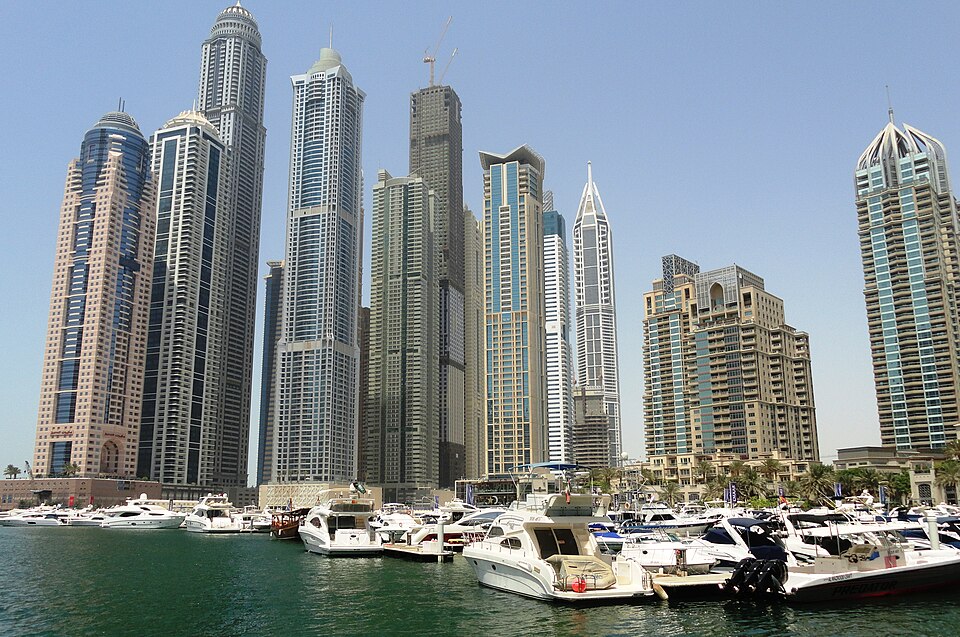
The Marina and Palm Jumeirah are geographically close in the wider coastal corridor, yet they offer different street patterns. Marina has a dense high-rise waterfront and a continuous social promenade; the Palm has a branched layout with residential and resort zones. A visitor can enjoy both, but they should be planned as separate stops. Compare how you would reach a café, transport stop or beach from an actual address.
For residents, the choice is not simply between two attractive views. Consider privacy, building type, walkability, visitor activity and the routes that structure your week. A person wanting restaurant choices within a short stroll may favour a particular Marina location; someone prioritising a specific resort or frond setting may prefer the Palm. Avoid assuming that the same transport or beach-access advice applies to both neighbourhoods.
How to Explore Palm Jumeirah Well
Start by deciding whether your aim is a resort visit, a look at the island's design or an assessment of residential life. Use the official guide for an overview, then confirm details with the venue or transport operator. Take note of the route through the trunk and how long it takes to reach your destination. If you are assessing a home, repeat the journey at a time that resembles your normal schedule.
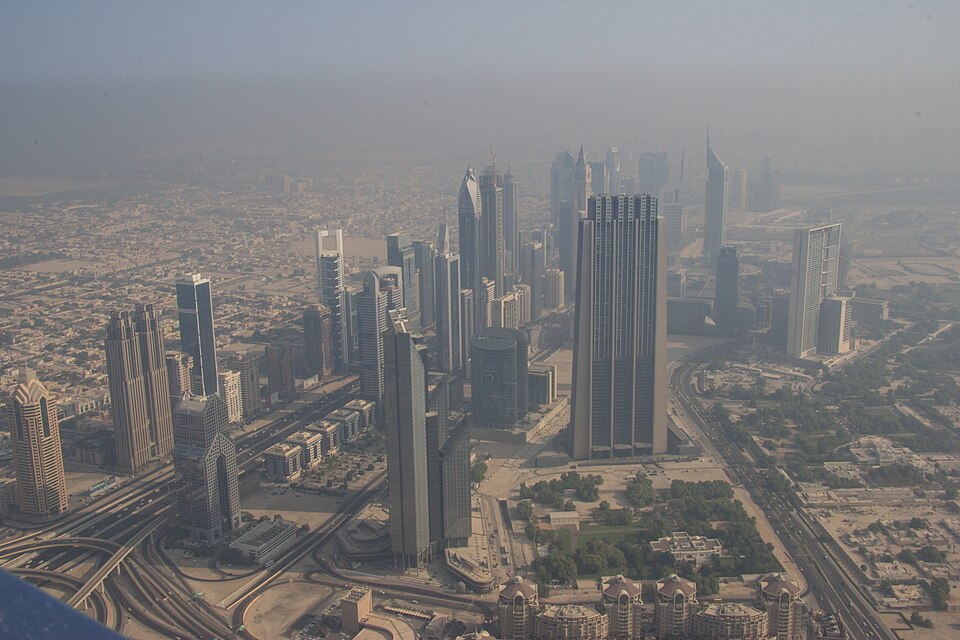
Palm Jumeirah is a feat of planned coastal development, but its real character comes from the people, homes and destinations within its unusual shape. It is part of Dubai, not a substitute for seeing the city's Creek, business districts or mountain exclave. Knowing the geography and access rules will make any visit more enjoyable and any long-term decision better informed.
Aerial Icon, Ground-Level Experience
Palm Jumeirah's outline is so familiar that visitors can feel they know it before arriving. The image is informative about shape but less helpful about access. On the ground, a frond is a residential road, the trunk serves multiple everyday destinations, and a resort on the crescent can be a journey in itself. Look at the precise route rather than pointing to a place on an aerial photograph. Some crossings visible from above are water, not pedestrian shortcuts.
The island's design also changes how someone experiences the coast. A villa or apartment can have a remarkable outlook while its nearest public destination is reached by a circuitous route. Conversely, an address on the trunk might offer a more practical connection to shops and transport even without the same sense of seclusion. Neither is inherently better. For a long-term stay, decide whether privacy, daily convenience or proximity to a specific venue matters most.
Historical photos of the Palm may show the island during a different stage of development. Check the date of an image before using it to judge present-day facilities, road access or views. Our aerial photograph helps explain the frond layout, not the current condition of every property. If investing, renting or booking a stay, rely on current material from the operator and direct inspection wherever possible.
Planning a Visit without Assumptions
Choose a specific reason for going: a hotel, a meal, a view or simply learning how the island connects to the mainland. Research access to that place and the return journey before departure. A destination may require a booking even if it is clearly visible from a public route. If you want a beach day, establish whether the particular shoreline is public, managed by a resort or available through a paid day pass. Rules and prices change, so verify them with the venue.
It can be useful to experience the Palm and Dubai Marina on separate days. The Marina has a concentrated pedestrian waterfront; the Palm's branched plan produces a different pattern of movement. If you have limited time, compare the two from selected points rather than trying to cover every road and walkway. Add adequate time for traffic or changes of transport, especially if an attraction has a fixed entry time.
For a household, make a trial weekday out of the visit. See how long it takes to reach the mainland, inspect everyday shops and consider the return after school or work. Ask how the property manages access to amenities and deliveries. None of these questions diminishes the island's appeal; they establish whether the appeal translates into a workable routine. A deliberate visit is more valuable than relying on the Palm's instantly recognisable shape.
It is also worth considering the difference between being a guest and being a resident. A resort stay is shaped by services built for visitors; a home depends on reliable routines over months and years. An area that is pleasant for a meal may not have the grocery access or school route a household needs. Conversely, a quieter residential frond might not be the easiest base for a tourist who wants to see many parts of Dubai. Define the purpose of the trip before comparing addresses.
The waterfront brings questions that are often missing from a brochure. Which routes are public, which belong to a particular property, and where can someone safely swim or take a boat? An operator's answer matters more than a photograph of open water. Check what access is included in a reservation or tenancy and what would require separate permission. These distinctions are especially important when travelling with children or guests who assume that nearby sand is freely accessible.
- schools for sale in the United Arab Emirates
- Dubai Marina waterfront guide
- central Dubai city guide
- Visit Dubai — Palm Jumeirah guide
Start a confidential conversation with School-sale.com.