Dubai City: A Guide to the Heart of Dubai
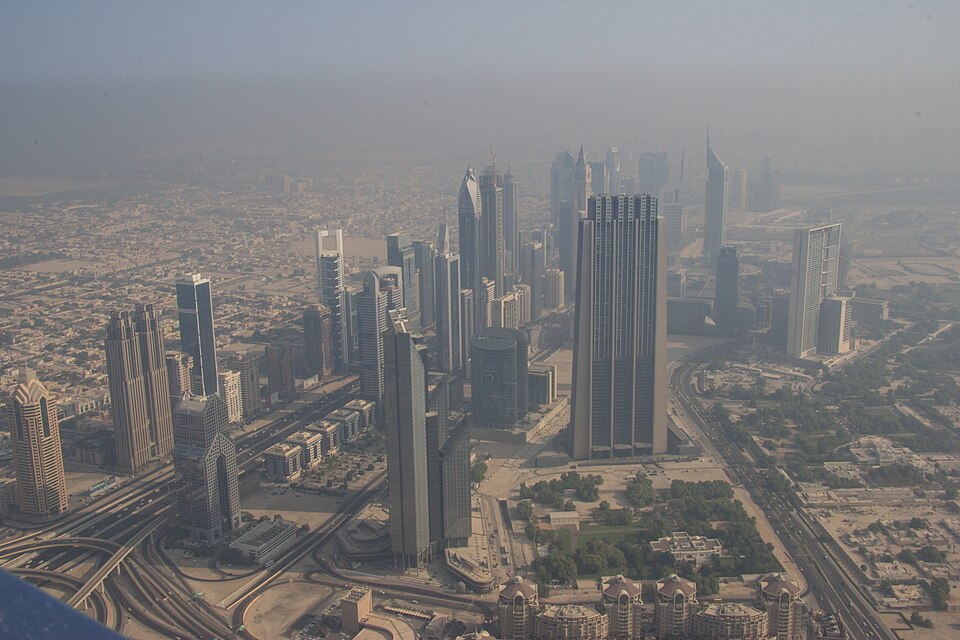
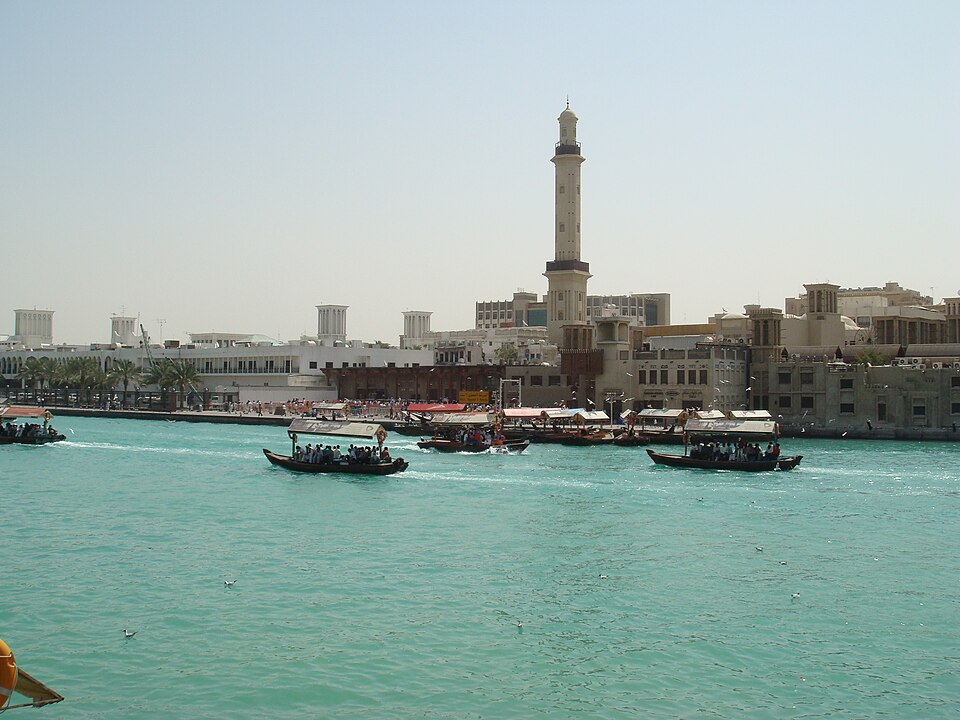
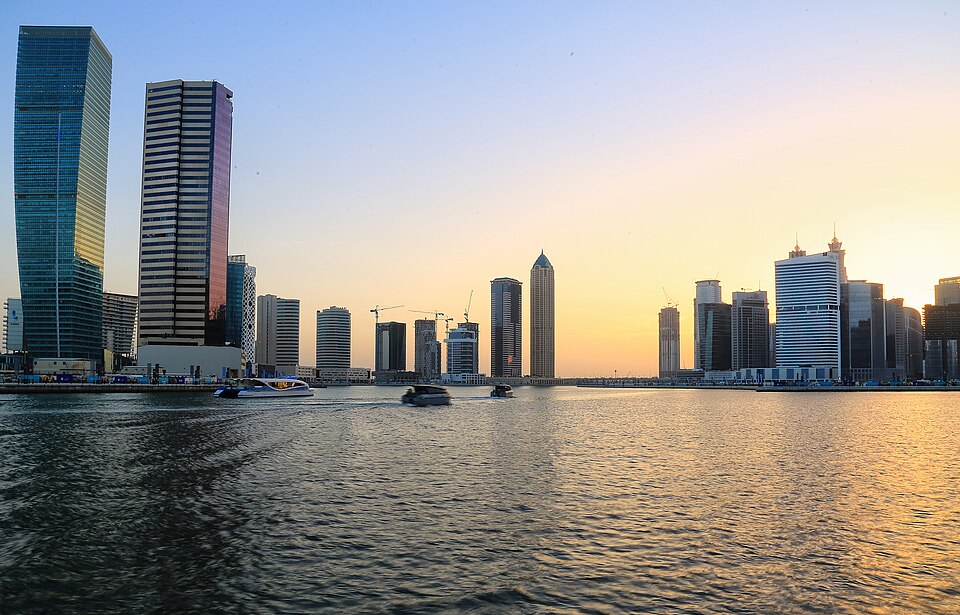
Dubai is both a city and an emirate. This guide focuses on the urban heart rather than treating every attraction across the emirate as part of one neighbourhood. Around Downtown Dubai, the Burj Khalifa, Dubai Mall and public promenades form a recognisable contemporary centre. A short journey away, Dubai Creek tells a different story of trading, boats and older streets.
There is no single boundary that captures everything residents mean by central Dubai. Businesses and visitors move between Downtown, the Dubai International Financial Centre, Business Bay and older districts around the Creek. Each has its own rhythm. Understanding those differences makes it easier to choose where to stay, work, visit or explore schools. The separate guides below cover individual districts in more depth.
Where the City Centre Begins
Downtown Dubai is the clearest starting point for a first visit. The Burj Khalifa is its visual anchor, but the surrounding streets are not simply a collection of observation decks. Residential towers, hotels, offices, restaurants and landscaped pedestrian routes sit together in a compact, busy district. The Dubai Fountain area and the waterfront around Burj Lake are popular places to walk when conditions are comfortable. It is sensible to check official attraction websites before travelling: access arrangements, opening times and temporary works can change.
Central Dubai is not a traditional old town radiating from one historic square. It is a network of districts developed at different times, linked by major roads and the Metro. What feels walkable on a map may involve crossing wide streets or following designated pedestrian routes. In the warmer months, residents often combine short outdoor walks with indoor spaces, public transport or taxis. For a meaningful sense of place, visit a district at different times of day rather than judging it solely by its skyline.
Downtown Landmarks and Public Spaces
The Burj Khalifa and Dubai Mall make Downtown easy to recognise, yet its appeal extends beyond ticketed attractions. The area brings together public art, broad boulevards, cafés and a mix of viewpoints along the lake. From some streets the tower dominates the scene; from others the surrounding buildings create an unexpectedly close urban scale. Whether you are planning a short sightseeing visit or considering a longer stay, look at how routes between hotels, stations and destinations actually work on foot.
The area's popularity also means it can feel crowded around events and peak visiting periods. Families may prefer a quieter route or a visit earlier in the day. There are green and shaded pockets, but exposure to sun remains a practical consideration, especially with children. Downtown is one expression of Dubai, not a complete portrait of the emirate. To understand the city's older commercial geography, set aside a separate trip to the Creek, Deira and Bur Dubai rather than trying to compress them into a quick detour.
The Creek and the Older Trading City
Dubai Creek is central to the city's commercial history. The waterway helped connect merchants, trading streets and port activity long before today's towers defined international images of Dubai. Along the Creek, traditional abra crossings remain a memorable way to see the relationship between its banks. Deira's markets and Bur Dubai's older quarters invite slower exploration: streets, shopfronts and everyday working life provide a different sense of scale from Downtown's broad, planned spaces.
A trip between contemporary and historic centres is most rewarding if you leave time to walk and observe. The Gold and Spice Souks in Deira are working commercial districts, not open-air museums, and prices and activity vary from one shop to another. Dress and behave respectfully in busy public places and ask before photographing people or businesses. For detailed context and practical routes, use our dedicated Deira guide instead of assuming the Creek is simply another Downtown attraction.
Business Districts Around the Core
Business Bay adjoins Downtown and mixes offices, apartments, hotels and canal-side routes. The Dubai International Financial Centre has another identity again, with its own commercial and cultural spaces. Their proximity encourages people to describe them collectively as central Dubai, yet their daily routines differ. Business Bay can suit someone who wants a high-rise urban base close to Downtown; other districts may work better for those prioritising quiet residential streets or proximity to a particular workplace.
If you are choosing a place to live, compare actual journeys rather than relying on the name of a district. Towers a few minutes apart in a straight line may have very different pedestrian access or traffic patterns. Inspect the street, building entrance and nearest useful transport stop, not merely the view from an apartment. A school or workplace near the Creek, for example, may make an address farther from Downtown more practical. Dubai's neighbourhoods make most sense when considered as daily routes, not as isolated labels.
Getting Around Central Dubai
The Dubai Metro connects several major centres, and the Roads and Transport Authority publishes current maps and service information. Stations provide a useful starting point, but the distance from a station exit to a specific building can matter greatly in summer. Taxis and ride-hailing services fill gaps, while walking works best when routes are known in advance. Travel to the Creek, a Marina appointment and a Downtown dinner involves different corridors; allow time for changing road conditions rather than assuming the same journey on every day.
Visitors can use public transport to compare districts without committing to a car for every trip. For residents, a route that looks efficient on a weekend may be less convenient during the school run. Before choosing accommodation or a home, test key journeys at the hours you would actually travel. Check station access, shade, pedestrian crossings and the availability of a practical return route. The RTA's official information is more reliable than an old journey-time estimate in a promotional property listing.
Living in a City of Distinct Neighbourhoods
Central Dubai offers an intense mix of work, leisure and international visitors. High-rise apartment living is common in Downtown and Business Bay, while other communities elsewhere in the emirate provide lower-rise streets, villas or coastal settings. There is no single 'Dubai lifestyle'. Someone who values museums and older markets may spend their free time near the Creek; another household may prioritise beach access, parks, work connections or a quieter setting for young children.
Make a shortlist based on ordinary routines: groceries, places of worship, outdoor time, healthcare, evening activities and the journey to school. In some districts, a building can have excellent facilities but limited easy walking beyond the entrance. In others, public promenades and local businesses become part of daily life. Visit more than once, and consider seasonal differences. What feels comfortable in winter can be very different in the heat, so assess indoor and outdoor options together.
Families, Schools and Education
Dubai has a wide range of private schools with different curricula, admissions processes and locations. The Knowledge and Human Development Authority, or KHDA, is the relevant Dubai regulator and publishes information that families can use when researching individual schools. A school name alone tells you little about the daily experience: examine its curriculum, location, inspection information, fees, age range and current admissions position through official sources and direct contact.
The journey between home and school deserves as much attention as an attractive campus. School transport arrangements, drop-off patterns and after-school activities can change the working day for the whole household. Families moving from another country should also ask how a school's year groups align with a child's previous education. If the interest is investment rather than choosing a place for a child, the separate UAE market guide discusses school transactions; this city guide does not claim that any particular institution is on the market.
Planning a More Informed Visit
A useful first itinerary contrasts places instead of rushing through landmarks. Spend time in Downtown, cross the Creek to understand older commercial Dubai and return another day to explore Business Bay, the Marina or Al Quoz. Look at official visitor guidance for opening arrangements and public-transport maps for connections. If you are viewing property or considering a school, build in enough time to walk the immediate streets. A polished skyline photograph cannot show how a district functions on a normal weekday.
Dubai keeps changing, so treat this guide as a geographic introduction rather than a promise about future developments or exact travel times. Official tourism and transport resources should be checked close to a visit. Our individual guides explain Jebel Ali's port landscape, Deira's trading history, Business Bay's high-rise mix, Marina's waterfront, Palm Jumeirah's island setting, Al Quoz's creative scene and Hatta's mountain environment. Sharjah and Abu Dhabi are separate emirates, not districts of Dubai.
Choosing What to See First
First-time visitors often collect landmark names before thinking about how a day will work. A better plan begins with one district and a small number of connected stops. In Downtown, allow time for the public spaces around Burj Lake as well as a booked attraction. Do not assume that a short transit ride will leave enough time to explore the Creek meaningfully on the same afternoon. Deira's trading streets reward attention rather than a photograph taken between appointments. Separate the places by purpose: architecture in one part of the city, commercial history in another and residential observation somewhere that could plausibly form part of your daily life.
Dubai's size also means that a place's fame does not tell you whether it suits your group. Someone interested in architecture might devote time to tower districts; another visitor might find the souks, galleries or mountain landscape more compelling. Check whether any attraction requires a timed booking and keep the route flexible around traffic and weather. For children, quiet breaks matter as much as famous sights. A day that combines a single principal destination with time to look around can be more useful than an itinerary that checks off names without understanding them.
If you are considering relocation, approach sightseeing and residential research as different tasks. A short trip to the Burj Khalifa will not show what school drop-off feels like, while a school visit cannot explain what the city offers on a weekend. Walk the streets around a prospective home, find the nearest practical supermarket, and note whether you could comfortably reach a park or local café. Repeat the exercise in another district. The differences between those two ordinary walks may be more decisive than any headline description of Dubai.
Making Sense of Information About Dubai
Online guides sometimes use 'Dubai' to mean the old trading city, the whole metropolitan area or the emirate, which also includes Hatta. Ask what scale a claim refers to before using it in a decision. A statement about the Marina's beach access says nothing about Deira's market streets. A general journey time between two districts may omit the last walk to a building. Official maps, attraction websites and school-regulator information help, but each answers a different question and should be checked against a real address.
Changing development is another reason for caution. A restaurant may close, an exhibition may finish and a road connection may be altered. Any property listing or visitor article has a publication date; details can become stale quickly. Prefer current information from the operator responsible for a service, and verify it again when travel is imminent. For a school, check directly with KHDA and the institution rather than relying on a ranking published elsewhere. For a commercial question, use the appropriate regulator or a qualified adviser rather than a tourism brochure.
This guide offers a starting map of relationships, not a definitive ranking. Downtown, Business Bay and the Creek can each be described as central in a different sense: landmark centrality, contemporary work concentration and historic commercial importance. The strongest understanding comes from following those distinctions. Use the linked guides for more focused research, then make choices based on the places you will actually visit, the people travelling with you and the routes that connect them.
- schools for sale in the United Arab Emirates
- Business Bay neighbourhood guide
- Deira and Dubai Creek guide
- Visit Dubai — Downtown Dubai
Start a confidential conversation with School-sale.com.