Dubai Marina: Life Along the Waterfront
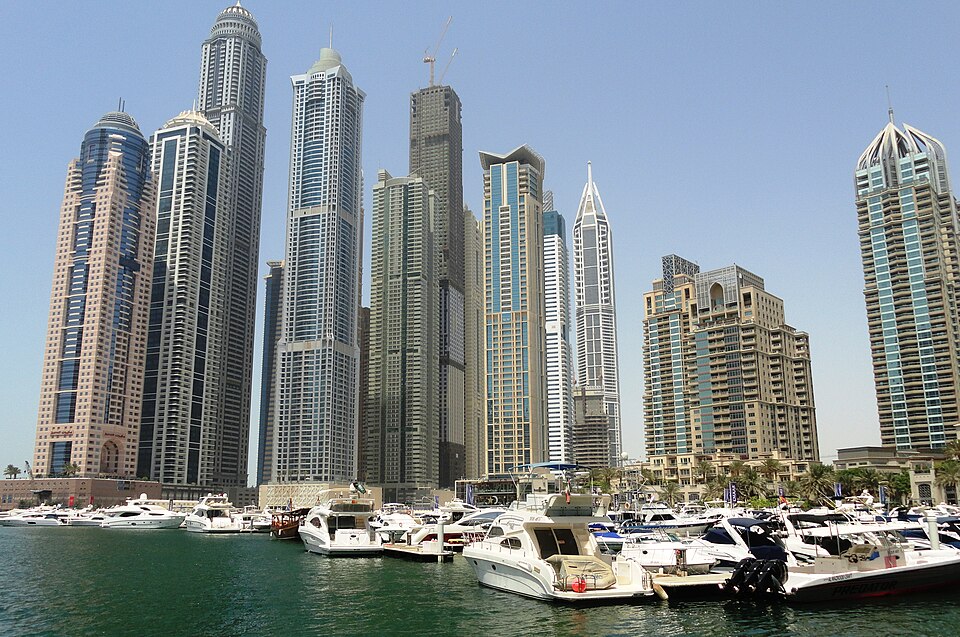
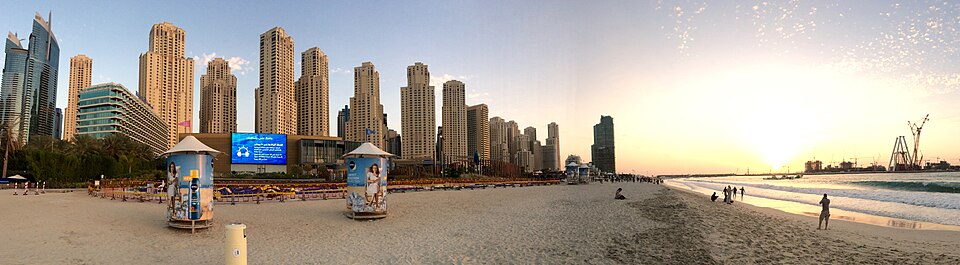
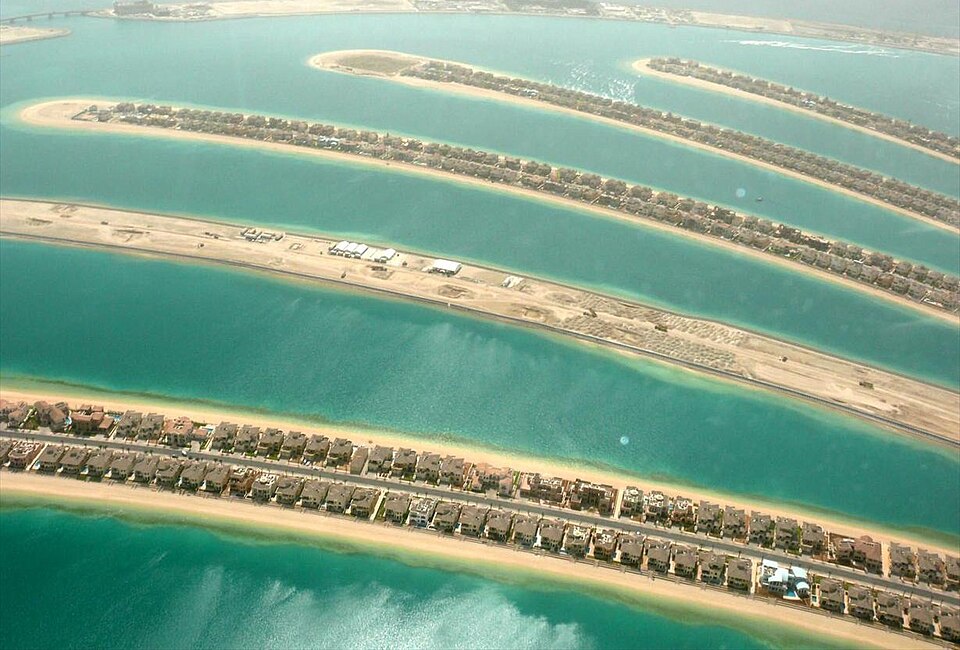
Dubai Marina is a planned waterfront district of high-rise homes, hotels, restaurants and boats. Its promenade makes the water an everyday part of the neighbourhood rather than a view glimpsed from a car. The nearby beach area and the wider coastal corridor add to its appeal, but Marina living has practical trade-offs as well as striking scenery.
This guide separates the neighbourhood itself from other places that share the Dubai coast. Palm Jumeirah has a different island layout; Jebel Ali is a working port district; Downtown is another urban centre altogether. Knowing where each begins helps visitors plan their time and helps residents evaluate a real daily routine instead of an idealised waterfront picture.
The Shape of Dubai Marina
The marina waterway sits among a dense collection of towers, with pedestrian routes that follow sections of the waterfront. This creates a recognisable neighbourhood experience: boats, cafés and high-rise façades share the same field of view. The area is not just a single strip of restaurants. Residential buildings, hotel entrances, road access and local services sit behind the promenade, sometimes with very different approaches to the water.
The district's scale matters. A property described as 'Dubai Marina' may be close to a favourite stretch of promenade or several turns away from it. Some visitors enjoy walking around a section of the water; others are mainly interested in a nearby beach. Check the actual route between a station, hotel and destination. Even when the water looks close on a map, bridges and building plots can determine how people move.
Marina Walk and the Waterside
Marina Walk is a popular place for a stroll, a meal or simply watching movement on the water. Its appeal changes with the time of day and season. Cooler evenings encourage longer walks, while midday heat can make shade and indoor alternatives important. Restaurants and operators come and go, so confirm individual opening details directly. The best experience does not depend on trying to cover every waterfront stop in one visit.
For residents, the promenade can be a genuine local amenity. Yet proximity is only one consideration. Look at noise, building access, public seating and whether your usual walk connects naturally to groceries or transport. A waterfront route used for leisure may not be the most direct path to work or school. Enjoy the scenery, then examine what the district offers on a routine weekday rather than judging it solely on a holiday evening.
The Beach and Nearby Coastal Areas
The Beach at JBR is close to Dubai Marina and is often included in the same visit, but it is useful to distinguish the beach-facing area from the inner marina waterway. Each has a different setting and pattern of activity. Check access, facilities and any conditions applying to a particular beach or venue. A relaxed beach morning followed by a Marina walk can show more of the neighbourhood than focusing only on the view from a tower.
Palm Jumeirah is another nearby coastal destination, yet it has a distinctive trunk-and-fronds layout and its own transport considerations. It should not be treated as an extension of Marina Walk. If you want to compare places to live, visit both independently. A photograph that captures sea and towers can conceal differences in public access, street life and ease of travel. Our separate Palm Jumeirah guide explains that island setting in more detail.
Transport: Metro, Tram and Roads
The Dubai Metro and Dubai Tram provide public-transport options in the wider Marina area. Routes and interchange arrangements should be checked on the RTA's current maps. For some towers the nearest useful stop is convenient; for others the final walk matters more than the train ride. If your destination is on the opposite side of a waterway or major road, check a walking route rather than relying on distance measured in a straight line.
Road access can be busy at certain times, particularly when visitors and residents arrive or leave together. A person with a daily commute to Downtown, the airport or Jebel Ali should try the journey at the actual working hour. Public transport may suit some trips and a car others. The availability of a tram does not automatically remove the need to plan connections; the most convenient choice depends on the building, timetable and your routine.
Apartment Living by the Water
Dubai Marina has a large high-rise residential population. Apartments vary in layout, outlook, building condition and access. An attractive balcony view is not a substitute for checking maintenance, common areas, lift demand and sound levels. Ask what lies immediately below or beside the building. Restaurants, road traffic and public spaces can influence the experience at different hours even when a listing looks tranquil.
A resident may value the ability to walk for dinner or exercise, while another may find peak-time roads or visitor activity inconvenient. Neither judgement is universal. Visit the street in the morning and evening, see how you would reach essential shops and check whether a preferred walking route remains comfortable in hotter months. Dubai Marina can be lively and practical, but the quality of daily life is unusually sensitive to the exact tower.
Families and Education
Families should consider outdoor space, play areas and the route to school alongside the water views. The closest suitable school may be outside Dubai Marina, and a peak-hour trip can shape the whole weekday. KHDA publishes information about Dubai private schools and their inspections. Ask individual schools about curricula, admissions, transport and after-school arrangements; do not infer availability from a school's location on a map.
The promenade can be enjoyable with children, but it does not replace assessing the immediate building environment or a child's age-specific needs. Parents relocating from overseas may want to test a school journey before committing to a home. If your interest is in education-sector investment instead, our UAE schools-for-sale page discusses the market separately. The fact that families live in a district does not imply that a particular school is for sale.
What to Do on a First Visit
Start with a manageable stretch of Marina Walk, then visit the nearby beach area if it suits your plans. Use official tourism information for current attractions and operators. Notice how the pedestrian route meets roads, transport stops and building entrances. A boat view is enjoyable, but the district becomes easier to understand when you connect the waterfront to the places people actually use.
If researching a home, plan a second visit at a less picturesque time. Try the commute, inspect everyday shops and note the atmosphere at night. Explore the neighbouring coastal areas without assuming they have the same accessibility or character. One afternoon can reveal why the Marina appeals; it cannot answer every question about the costs, regulations and practicality of living in a particular building.
Marina in the Wider Dubai Picture
Marina's waterfront is a strong part of Dubai's contemporary identity, but it represents one kind of urban experience. Downtown offers landmark-led streets, Deira centres on older trade beside the Creek, and Hatta lies in a mountain exclave away from the coast. Comparing them is more informative than ranking every place by skyline alone. A city can accommodate several very different ideas of an enjoyable day.
For practical decisions, look for reliable current information from the RTA, KHDA and official Dubai tourism channels. Restaurants, attractions and transport services can change. This guide is a starting point for understanding the neighbourhood rather than a promise about any individual property or journey. Take time to see both the celebrated waterside and the ordinary streets that support it.
Using the Waterfront Responsibly
Marina Walk is shared by residents, visitors, businesses and people carrying out routine work. Its popularity means considerate behaviour matters: keep pedestrian routes clear, respect building entrances and follow any rules for boats or waterside activities. If booking a cruise or other experience, check the operator's current information about departure point, safety and cancellations. A waterfront setting can look simple in a photograph while involving several different operators and access points on the ground.
Public promenade and private amenity are not the same thing. A visitor can enjoy a public route without having access to a residential pool, mooring or building deck. Likewise, a beach in the wider area may operate under particular rules. Confirm before building an itinerary around a specific facility. Families should keep a close eye on children near water and follow posted guidance; the presence of cafés and walkways does not remove the need for ordinary waterfront precautions.
The promenade changes character during the day. Morning exercise, afternoon errands and evening dining bring different numbers of people and sound levels. A household viewing a waterfront apartment should visit at the time it expects to be at home most. A busy evening might be a pleasure for one person and an unwanted source of noise for another. The district's strength is that it accommodates several uses; the trade-off is that none exists in isolation.
Matching a Marina Address to a Routine
Before choosing a tower, map the destinations you will use repeatedly: workplace, school, medical appointment, food shopping and leisure. Check how the street connects to the closest appropriate Metro or Tram stop, not just whether a station exists somewhere in the district. Some routes may require crossing a busy road or taking a longer path around the water. Repeat the exercise for a weekend outing and a late return. A building that is ideal for one type of journey may be less convenient for another.
Consider the seasonal experience as well. Outdoor waterside walking is particularly attractive when conditions are comfortable, while hotter months place greater weight on shaded routes, indoor services and transport. That shift affects a family's use of open space and a commuter's willingness to walk to a station. Ask whether the features you value are available throughout the year or mainly during a preferred season.
Dubai Marina is a popular name in accommodation searches, but the label covers very different buildings and access arrangements. Ask about shared-facility management, parking, delivery access and the noise you would hear inside a particular unit. If considering a long stay, look for a space that supports ordinary living rather than choosing on a balcony photograph. A careful visit to two towers can be more revealing than a long list of similar-looking online adverts.
If you enjoy time on the water, check which activities are actually offered from the part of the Marina you plan to use. A restaurant beside boats is not necessarily next to your tour's boarding point. Operators have distinct departure locations, safety rules and weather policies, so follow their direct instructions. For an evening trip, consider how you will return to the hotel or home after public transport becomes less convenient. Small logistics can make the difference between a relaxed outing and a rushed one.
A first visit can be split into three observations: the promenade, the surrounding residential streets and a route to another part of Dubai. Each answers a different question. The walk shows the neighbourhood's social appeal; the streets show daily services; the outward journey shows how well it fits the city as a whole. If you are selecting a home, repeat the exercise on a weekday rather than relying on a busy weekend's atmosphere.
- schools for sale in the United Arab Emirates
- Palm Jumeirah island guide
- Jebel Ali district guide
- Visit Dubai — Dubai Marina guide
Start a confidential conversation with School-sale.com.