Al Quoz: Creative Spaces and Working Dubai
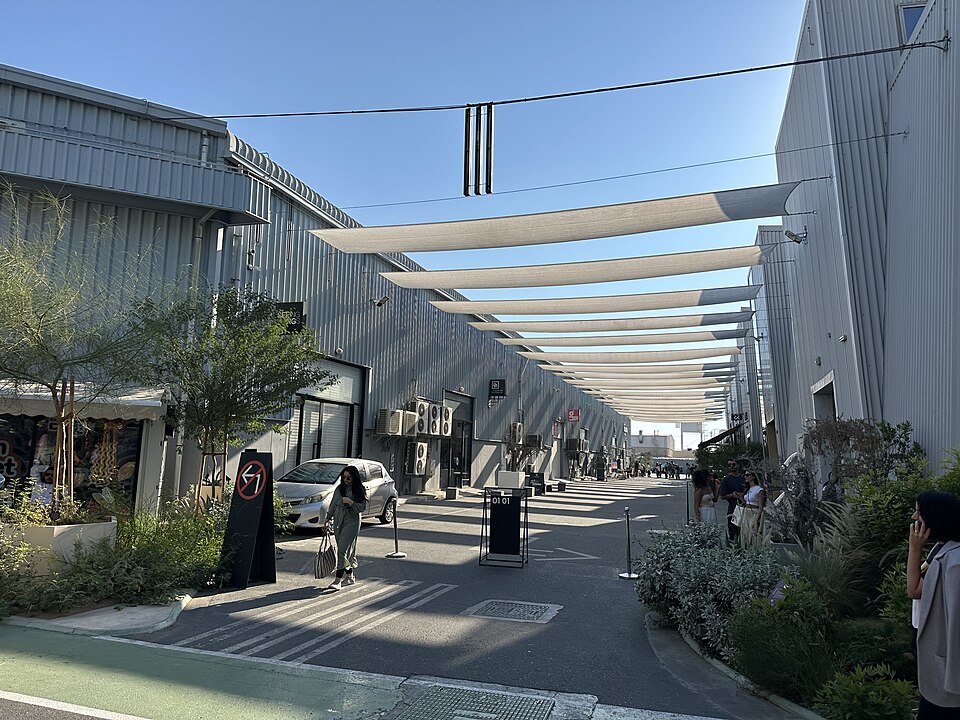
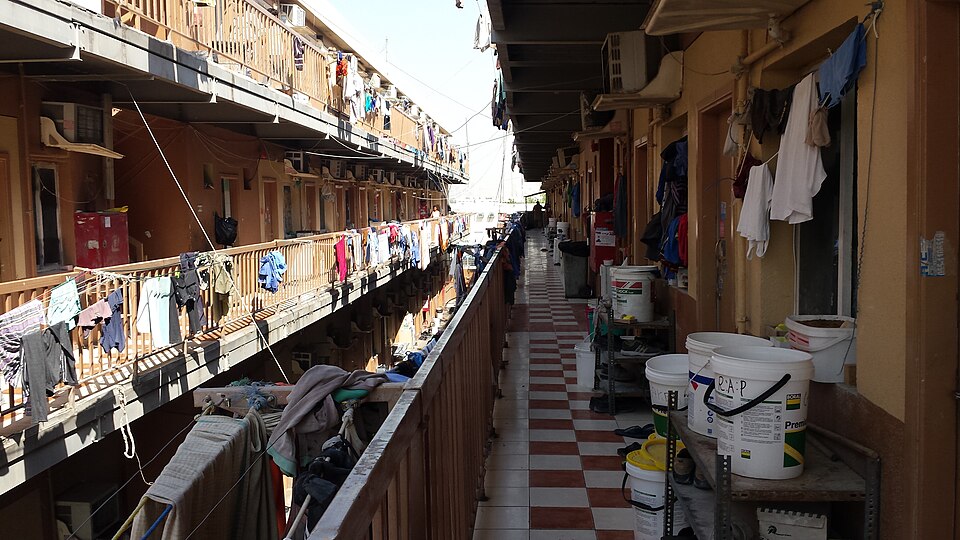
Al Quoz is often described as Dubai's creative district, but its identity is more complex. Workshops, warehouses and commercial premises continue to operate alongside galleries, cafés and cultural spaces. Alserkal Avenue is an important entry point for visitors, not the entire neighbourhood. The contrast between working industry and creative reuse is precisely what makes a visit interesting.
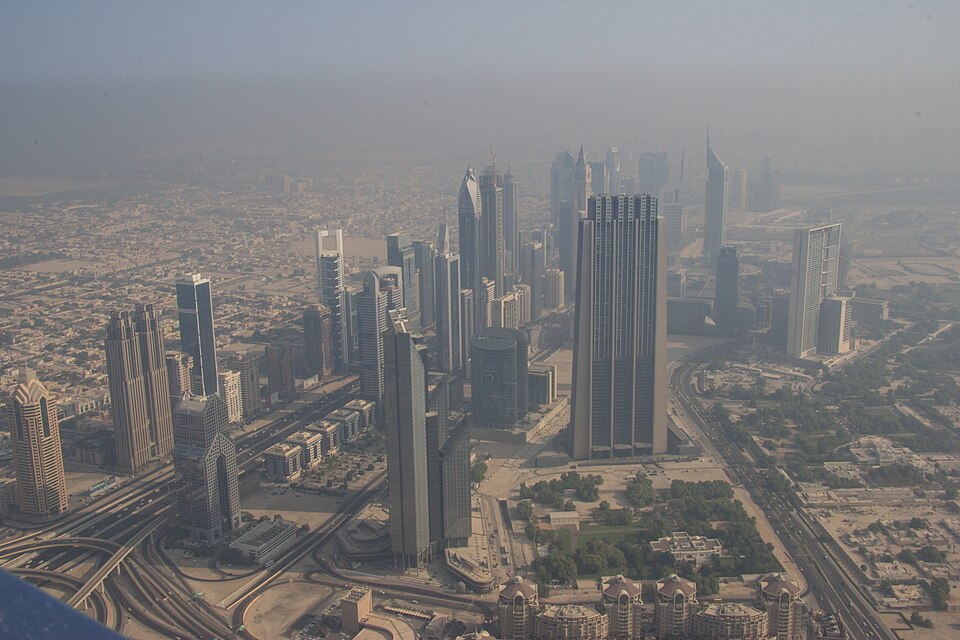
This is a different Dubai from the waterfront towers or the resort islands. Streets may be geared more toward vehicles and deliveries than leisurely walking; cultural venues have their own opening patterns. Knowing what you want to see and how to reach it makes the experience more rewarding than arriving with a vague expectation of an arts quarter on every block.
Where Al Quoz Fits in the City
Al Quoz lies within urban Dubai, away from the iconic seafront and close enough to other central districts to be part of an ordinary city itinerary. Its industrial and commercial character is visible in its building types: large premises, working yards and broad access roads sit near spaces used for exhibitions and cultural events. The result is not a uniformly pedestrian arts village but a district with several overlapping purposes.
If you are visiting a gallery or meeting a business, confirm the exact address. Two venues described as 'Al Quoz' may be farther apart than expected or separated by roads that are awkward to cross. A map photograph can suggest a compact area when the ground-level experience is much larger. Plan around a particular cluster, especially in warm weather, and check whether the venue is open on the day you intend to visit.
Alserkal Avenue and the Arts
Alserkal Avenue has helped establish Al Quoz as a recognised destination for contemporary art and culture. Its galleries, project spaces and events bring people into buildings that reflect the district's warehouse setting. Exhibitions change, so consult organisers directly for current programmes and admission arrangements. A visit can be worthwhile even without a specific purchase or collection in mind: the area offers a chance to see another side of Dubai's cultural life.
It is worth distinguishing Alserkal Avenue from the entire district. Outside that cluster, industrial businesses still need loading access and normal working space. Respect entrances and private property when taking photographs or exploring side streets. The appeal of Al Quoz is not that working activity has disappeared but that creative ventures exist alongside it. Viewing both dimensions gives a fuller impression than a carefully framed gallery photograph.
A District of Workshops and Enterprises
Al Quoz remains a place where things are made, repaired, stored and sold. That working economy explains its generous industrial units and the importance of vehicle access. It also helps explain why cultural spaces could take root in former or adapted commercial buildings. Neither use should be romanticised: businesses depend on practical logistics, while arts venues depend on visitors being able to find them and spend time comfortably.
Someone looking for commercial space should distinguish permitted activities, lease conditions and access requirements for a particular site. A venue that looks suitable from outside may be subject to operational constraints. Visitors should take the same practical approach at a smaller scale: identify parking or a reliable drop-off point, know which entrance to use and verify opening hours. Official district and business sources are preferable to assumptions based on a social-media image.
Planning an Arts Visit
Choose a few current exhibitions or spaces and allow time between them. A cultural afternoon in Al Quoz is different from moving along a continuous shopping street. Some venues cluster together; others require a separate journey. Check event schedules in advance, particularly around holidays, installation periods or private programmes. If an exhibition is the reason for the trip, confirm it is still running before setting out.
The most useful visit combines curiosity with awareness of the district's working environment. Pedestrian comfort can vary, and mid-afternoon heat may limit how much walking is enjoyable. Cafés and indoor spaces can provide breaks, but do not rely on finding one on every road. If travelling with children or anyone who needs step-free access, check the arrangements at each specific venue rather than applying a general assumption to the neighbourhood.
Transport and Street-Level Access
Dubai's public-transport network can help visitors approach Al Quoz, but the last part of the journey may be easier by taxi or another local connection. Use the RTA's current route information and compare the exact venue address with the nearest useful stop. A direct-looking path on a map can involve industrial roads, limited shade or crossings that make a longer but safer route preferable.
For everyday travel, consider where you actually need to go beyond Al Quoz. Someone working here may value an address in a nearby residential district rather than living among commercial premises. A visitor combining an Al Quoz exhibition with Downtown should allow time for the journey rather than assuming the two are one walkable centre. Plan a realistic sequence and verify any ride or parking arrangement close to the visit.
Residential Life Around Al Quoz
Al Quoz is not primarily marketed as a high-rise waterfront residential address, and its mix of industrial and commercial uses should shape expectations. People who work nearby may appreciate the location, but a household should inspect noise, traffic, facilities and the exact street before judging whether an address suits them. Adjacent residential areas can offer different living conditions while retaining access to Al Quoz's jobs and cultural venues.
A decision about home should start with normal needs: food shopping, healthcare, places to relax, school journeys and safe walking routes. An arts destination can be a welcome local amenity without making every surrounding block ideal for family life. Visit during business hours and again outside them. The contrast between the cultural programme and the workday is part of the district's reality, not something to ignore.
Schools and Family Considerations
Families whose work or leisure regularly takes them to Al Quoz should assess school choices across a wider area. Dubai's private schools follow different curricula and admissions arrangements; KHDA is the official source for school information and inspections. A campus close to a workplace may be useful, but confirm actual drop-off routes, transport and after-school arrangements with the school rather than assuming proximity is enough.
For children interested in art and making, exhibitions can be a valuable way to encounter creative practice, but individual venues set their own policies for events and workshops. Check age suitability and booking information. The UAE schools-for-sale guide serves readers interested in education transactions, a separate subject from choosing a child's school or planning a family afternoon at a gallery.
Seeing Al Quoz in Context
Al Quoz challenges the idea that Dubai is only towers, malls and resorts. Its cultural scene shares space with production and trade, offering a view of the work behind the city's polished surfaces. Pairing an Al Quoz visit with Downtown or Business Bay makes the differences clear without suggesting that one district is more authentic than another. All three have real communities and practical roles.
For current exhibition details, consult venues directly and use Visit Dubai's official neighbourhood guide as an overview. For transport, use RTA guidance. The appeal of Al Quoz is specific: it offers creative activity in a working district, with the logistical considerations that brings. Plan for that mixture and the visit will be more informative than treating it as a backdrop for photographs alone.
Creative Reuse without Erasing Industry
Al Quoz's gallery story is often told as though art replaced industry. In reality, workshops and other working premises remain part of the area's character. Repurposed spaces draw some of their atmosphere from that setting, while neighbouring businesses continue to need access for production and deliveries. For a visitor, this means a gallery afternoon can involve streets designed for other purposes. Follow safe routes and do not cross private yards in search of a photograph or shortcut.
The relationship also matters for entrepreneurs. A creative studio may benefit from nearby suppliers and flexible-looking space, but its use must be permitted by the relevant rules and lease. Do not assume a former warehouse is automatically suitable for every event, retail activity or public programme. Ask about approvals, access, safety and visitor facilities. The ability to work creatively in a district depends on functioning infrastructure as much as on an appealing aesthetic.
This mix gives Al Quoz a different kind of cultural value from a purpose-built museum district. The surrounding commerce is not a flaw to be hidden in promotional images. It provides context for the scale of buildings, the availability of space and the experience of moving between venues. Seeing both sides helps explain why the neighbourhood has become associated with creative work without pretending it has lost its original working role.
Building a Realistic Arts Itinerary
Start by checking the current exhibition programme at the venues you hope to visit. Art spaces may be preparing a show, hosting a private event or working to different hours from a nearby café. A visit that revolves around one particular installation should be confirmed close to the day. Consider contacting a venue about accessibility if the building has been adapted from another use; the existence of a gallery does not guarantee that every route is step-free.
Once the visit is planned, leave time to talk, read and look. Rushing between many spaces may make them blur together. A small number of exhibitions followed by a meal or a second stop can provide more depth. If you are bringing a child, check whether the subject matter and any workshop are suitable for their age. If you want to photograph a work or an artist, observe the venue's rules rather than assuming photography is always permitted.
An Al Quoz visit also pairs well with a contrasting part of Dubai on a different day. Deira offers a trading history and street pattern quite unlike the gallery warehouses; Downtown offers landmark-led public space. Comparing the three can expand a visitor's understanding of how commerce and culture appear throughout the city. Plan each district on its own terms, with appropriate transport and enough time to appreciate the environment beyond a single well-known address.
Try to understand the cultural programme as something that changes rather than a fixed inventory of galleries. An artist talk may have a separate booking process from an exhibition, and a warehouse used for a temporary installation may later return to another use. Look at organisers' calendars rather than relying on an old round-up. This helps avoid disappointment and can introduce you to smaller events that are more closely related to your interests than the largest venue.
If you are assessing Al Quoz as a location for a creative business, visit on a normal working day and ask how clients would find the premises. Note delivery routes, customer parking, nearby services and the relevant permissions before making assumptions based on the area's reputation. A distinctive setting can benefit a studio, but the operational details still determine whether it works. Cultural energy and practical planning need not be in conflict.
- schools for sale in the United Arab Emirates
- Downtown Dubai city guide
- Business Bay district guide
- Visit Dubai — Al Quoz neighbourhood guide
Start a confidential conversation with School-sale.com.