Sharjah: Culture and Community Beside Dubai
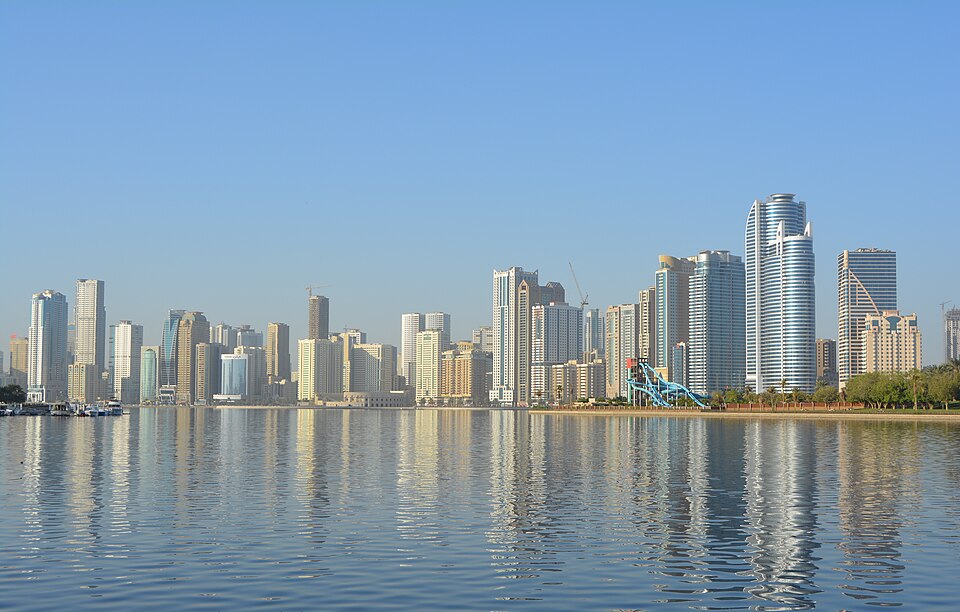
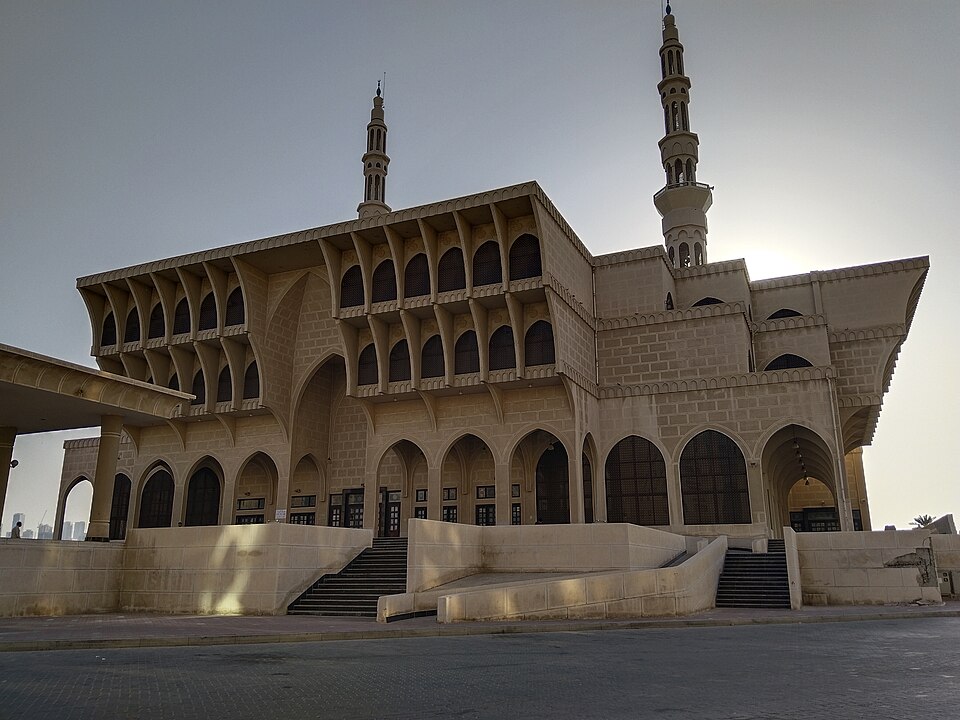
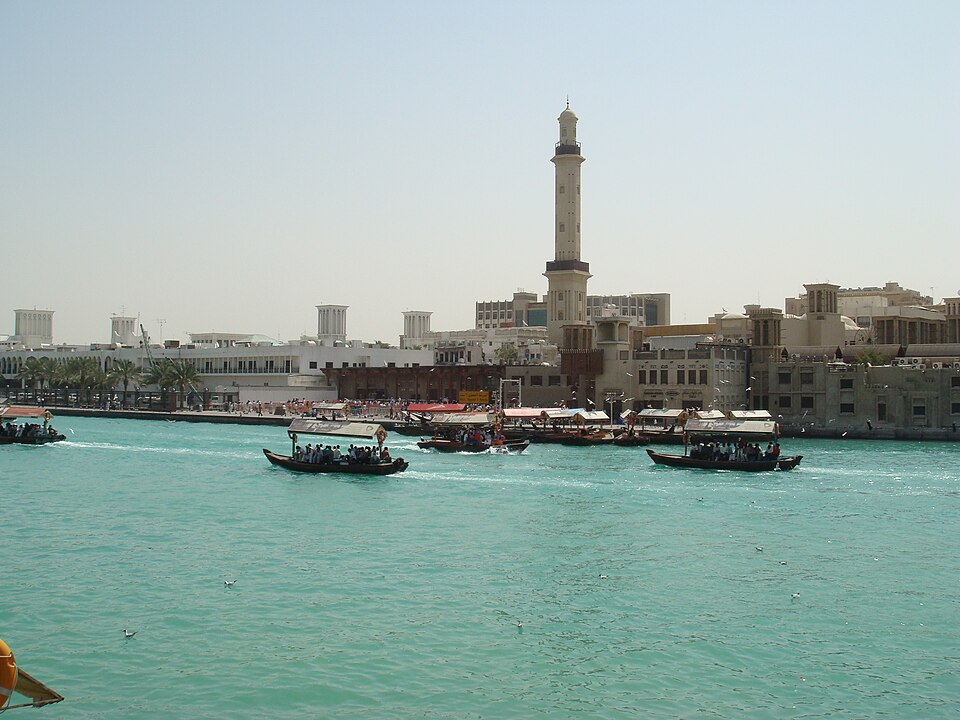
Sharjah is Dubai's neighbouring emirate and a major city in its own right, not a district of Dubai. Its cultural institutions, heritage areas and family-oriented public spaces give it a different identity from the high-rise coastal neighbourhoods nearby. Many people move between the two emirates, but that everyday connection should not erase the distinction between their administrations and local histories.
This guide focuses on Sharjah City while acknowledging the emirate extends beyond it. It introduces the historic core, museums, waterfronts and practical questions for residents and visitors. Journey times from Dubai vary considerably with origin, destination and traffic, so proximity on a map should never be taken as a promise of an easy daily commute.
Sharjah as a Separate Emirate
The United Arab Emirates is a federation of seven emirates. Sharjah has its own institutions and identity, even though its urban area sits close to Dubai's. The two are linked through work, family life and travel. For someone unfamiliar with the region, the boundary can be easy to overlook on a metropolitan map, yet it matters when researching government services, school regulation or local rules.
Sharjah Emirate includes more than Sharjah City, with places elsewhere in its territory offering very different landscapes. This page concentrates on the city: a centre with cultural attractions, established neighbourhoods and active waterfront areas. It is not a list of everything in the emirate. When arranging a meeting or accommodation, specify the exact destination rather than simply asking for 'Sharjah', a name that can describe both city and emirate.
Heritage Areas and the Historic Core
Sharjah's heritage districts are an important way to understand the city's history. Restored buildings, museums and public routes offer a setting for learning about trade, domestic life and cultural expression in the region. Visit Sharjah's official information can help identify what is currently open and how individual sites connect. A heritage area rewards slow exploration, but opening times and exhibition programmes should be verified before travelling.
Historic buildings are not simply architectural backdrops. Interpretation, preservation and local context matter. Read on-site information and respect rules around photography or access. A visitor who arrives expecting only a short photo stop may miss the questions these places raise about the city's growth and changing uses. Pair a heritage visit with time in an ordinary neighbourhood or on the waterfront to see how the past sits within a working city.
Museums and Cultural Institutions
Sharjah is widely associated with museums and arts programming. Its cultural offer ranges across history, art and regional heritage, though individual collections and temporary exhibitions change. The official tourism and museum websites are the right places to check opening arrangements and accessibility. Choose institutions that interest you rather than treating a long list as a race: one considered visit can reveal more than several hurried entrances.
Culture here is not confined to formal exhibition rooms. Public buildings, restored districts, libraries and local events contribute to the city's reputation. A family might choose different stops from a researcher or an art enthusiast. For children, check age suitability and any learning programmes directly. Sharjah's cultural profile is a good reason to visit from Dubai, but it also forms part of everyday life for people who live in the city.
Waterfronts and Public Places
Sharjah's waterfronts offer an open-air counterpoint to its museum interiors. Corniche routes, lagoons and nearby urban spaces can give residents somewhere to walk and gather. The experience changes with season and time of day, and not every waterside address provides the same public access. Look at a specific route and facilities before planning a family outing, particularly if shade or step-free access matters.
Waterfront imagery can dominate descriptions of a city, but ordinary streets and services determine day-to-day convenience. A residence with a water view may still be a difficult trip from a school or workplace. Visit the immediate neighbourhood as well as the promenade. The combination of cultural venues and public space is part of Sharjah's appeal, yet a practical choice about living here depends on far more than either attraction.
Living in Sharjah and Working Elsewhere
Some households consider Sharjah while working in Dubai, because the cities are close in the wider metropolitan area. That decision demands realistic travel research. Road congestion can make a commute very different at peak times from a weekend test. Check the exact home, workplace and travel hours rather than relying on a broad claim that one city is 'just next door'. A change in work location or school timetable can alter the calculation.
A household should also assess the local amenities it will use: grocery shops, healthcare, outdoor areas, places of worship and children's activities. Cultural attractions are valuable but cannot replace everyday convenience. Sharjah's neighbourhoods vary, so one visit to a prominent landmark is not enough to judge them. If the intention is to live in Sharjah while working across the boundary, repeat the commute before taking on a long-term commitment.
Transport and Cross-Emirate Journeys
Travel between Sharjah and Dubai is common, but modes and routes depend on the actual journey. Road conditions change through the day. Public-transport connections should be checked with the relevant operators for current schedules and endpoints. A route that works for a visitor with a flexible afternoon may not suit a parent responsible for a school pick-up. Build in contingency time for appointments and do not assume a straight-line distance is a useful estimate.
Within Sharjah, consider whether a home or hotel is close to the places you intend to visit. Some attractions can be combined in a planned day; others require a separate journey. If you are travelling with children or have accessibility needs, assess the specific route, drop-off point and venue rather than assuming the whole city has uniform access. Practical planning helps you enjoy the cultural stops without spending most of the day in transit.
Families and Education in Sharjah
Sharjah has its own educational context; Dubai's KHDA and Abu Dhabi's ADEK should not be presented as Sharjah's school regulator. Families should consult the relevant Sharjah authorities and individual schools for current information about curricula, admissions, fees, inspections and transport. The best school for a child depends on needs and location, not simply the reputation of the city as family-friendly.
If a child lives in one emirate and attends school in another, the journey may define the family's weekday. Confirm start and finish times, bus arrangements and extracurricular options before deciding where to live. A move between emirates can also mean different administrative processes. Our UAE schools-for-sale guide concerns investment and school transactions; it is not a directory of available school places or evidence that any specific institution is for sale.
Sharjah and Dubai: Close, but Different
A visitor can appreciate both cities without collapsing them into one destination. Dubai's Downtown landmarks and Marina towers make a strong contrast with Sharjah's cultural institutions and established districts. Deira, on Dubai's side of the wider metropolitan area, offers another perspective on trading streets and the Creek. Exploring all three reveals similarities in regional connections and differences in how each place has developed.
The comparison is most useful when it does not turn into a simple ranking. Someone interested in museums may spend more time in Sharjah; a person with a particular workplace in Dubai may structure life around a different route. Public space, housing, education and commuting all need to be considered together. Sharjah is not a 'suburb' to be judged only by its distance from Dubai; it is an emirate with its own civic and cultural life.
Planning a Thoughtful Visit
Use Visit Sharjah's official guide to select one or two cultural sites, then leave room for a waterfront walk or a meal in a local district. Check current opening details and local guidance before travelling. If your purpose is residential research, add ordinary errands and a real commute to the itinerary. The city is better understood through varied experiences than through a brief stop at one landmark.
Sharjah's proximity to Dubai makes it easy to include in a wider UAE journey, but give the city enough time on its own terms. Respect local customs and venue rules, plan for the climate, and verify the details that can change. A balanced first visit should leave you with questions about neighbourhoods and daily routines as well as memories of museums and architecture.
Culture as Part of City Life
Sharjah's cultural reputation is sometimes presented as a single accolade. A better way to understand it is through the institutions and public spaces that residents and visitors actually use. Museum programmes, heritage areas and arts events each have different audiences and schedules. Choose a subject that interests you and spend enough time to engage with it. A museum visit can also lead to questions about the surrounding streets, city planning and how old buildings have found new purposes.
Cultural attractions sit alongside workplaces, homes and everyday errands. Visitors who only move between named sites may miss that ordinary setting; residents who pass a museum every week may value it differently from a first-time tourist. Neither perspective is wrong. A balanced city guide should describe both. If children are joining, check current family activities at the particular institution instead of assuming all museums have the same educational programmes or opening arrangements.
Respecting local guidance is especially important at religious and heritage sites. Dress, photography and visitor access can vary, and operational information should come from the venue or official tourism channels. A considerate approach allows people to enjoy places that also have meaning for local communities. Treat the city's reputation for culture as an invitation to learn rather than as a promise that every famous building is always open to casual visitors.
Making a Cross-Emirate Decision
For someone working in Dubai and considering a home in Sharjah, the first question is not which skyline is prettier but what a full week of travel would entail. List work start times, school drop-off, childcare, medical appointments and weekend commitments. Test the road or public-transport journey in both directions at the relevant hours. Congestion at a boundary or along a popular corridor can change the experience substantially; an estimate from a quiet afternoon does not represent a school morning.
Administrative questions also deserve attention. A school or service in Sharjah may be governed by different authorities from one in Dubai, even when the addresses seem close. Verify local requirements through official bodies and the provider involved. If a child is moving between school systems, confirm curriculum alignment, admissions and documentation before making a housing decision. The distinction between emirates is practical as well as geographical.
Finally, evaluate Sharjah on its own merits. A short commute to a Dubai address might not be the strongest reason to live in a district if the household would otherwise prefer another environment. Conversely, access to Sharjah's culture, community facilities and particular neighbourhoods may be a strong positive alongside an acceptable commute. Visit during an ordinary weekday, walk the streets around a candidate home and ask whether the local routine works independently of a one-day visitor impression.
If an itinerary starts in Dubai, avoid reducing Sharjah to a quick stop on the way elsewhere. Choose a museum or heritage area, allow time to understand its context and include a separate look at a public space or ordinary street. Check official visiting arrangements and consider seasonal heat. This more measured approach also makes the difference between the cities clearer: the same proximity that makes a trip possible does not make their histories, authorities or neighbourhoods interchangeable.
- schools for sale in the United Arab Emirates
- Deira and Dubai Creek guide
- Dubai city neighbourhood guide
- Visit Sharjah — official tourism guide
Start a confidential conversation with School-sale.com.