Abu Dhabi: A Guide to the UAE Capital
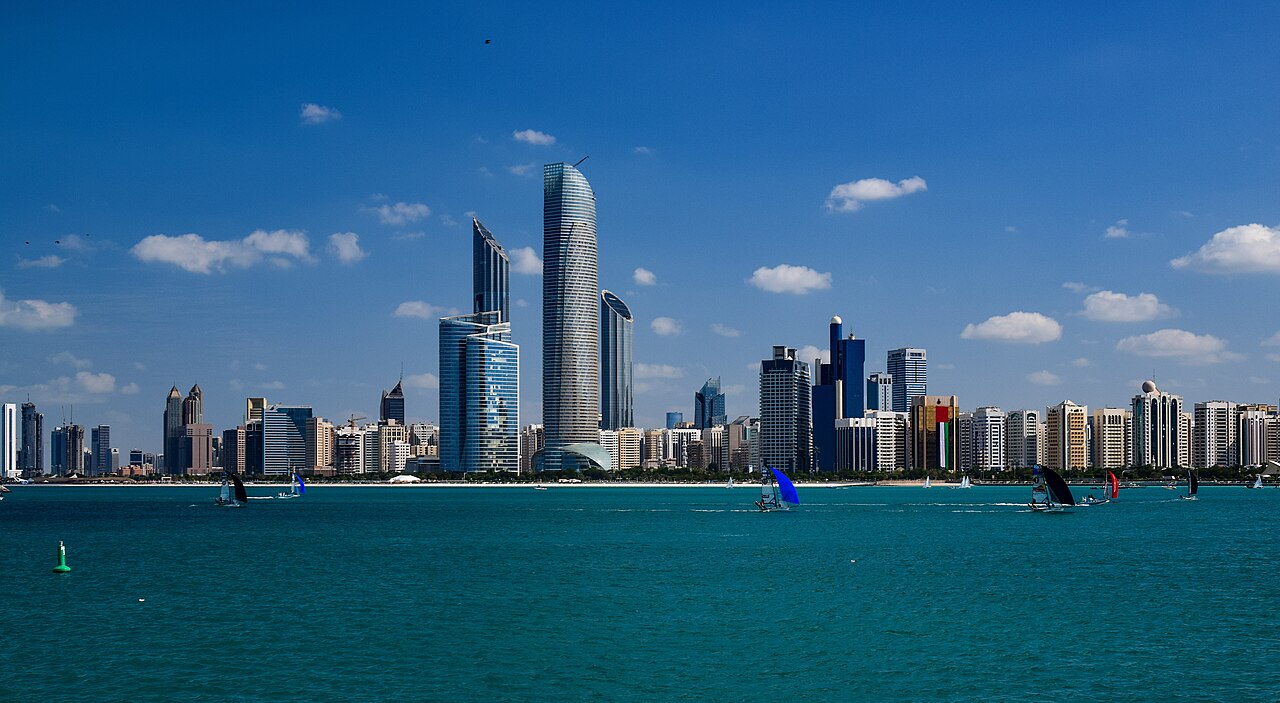
Abu Dhabi is the federal capital of the United Arab Emirates and the principal city of the Emirate of Abu Dhabi. It is not a Dubai neighbourhood: travelling between the two cities is an inter-emirate journey, and the distance deserves realistic planning. Along its coast, island districts, public waterfronts and cultural institutions give the capital a character of its own.
This city guide is about place and everyday life. It covers the Corniche, island neighbourhoods, culture, transport and family considerations. Readers interested specifically in acquiring or selling a private school should use the separate Abu Dhabi schools-for-sale guide, which discusses the education market rather than presenting a general introduction to the city.
Understanding the Capital's Geography
Abu Dhabi's central city occupies an island connected to the mainland by bridges. Its geography extends through other islands and coastal districts that have very different uses and street patterns. An address described as 'Abu Dhabi' may be on the main island, in a mainland residential area or in an island community. Each position affects journeys to work, school and visitor attractions.
A first-time visitor might recognise a skyline and assume the city is one continuous waterfront. In reality, bridges and designated road corridors structure movement between districts. The Corniche on the main island, cultural destinations on Saadiyat and entertainment venues on Yas are separate trips rather than one compact walking circuit. Begin by locating the specific place you intend to see, then plan the connections.
The Corniche and Central Neighbourhoods
The Corniche follows a stretch of the main island's waterfront and provides a public place for walking, views and time outdoors. It is one of the most accessible ways to experience the capital's coastal setting. Facilities and access arrangements can change, so check current official information if a particular beach or activity is important to your plans. Heat and sun exposure should shape the timing of longer walks.
Behind the waterfront lie working neighbourhoods with offices, housing, shops and services. Living near a famous promenade may be appealing, but the daily quality of an address depends on much more than its distance to the sea. Assess building condition, nearby groceries, traffic, parking and the routes family members will take. Visit a street during a normal weekday as well as at the more photogenic hours.
Saadiyat Island and Cultural Life
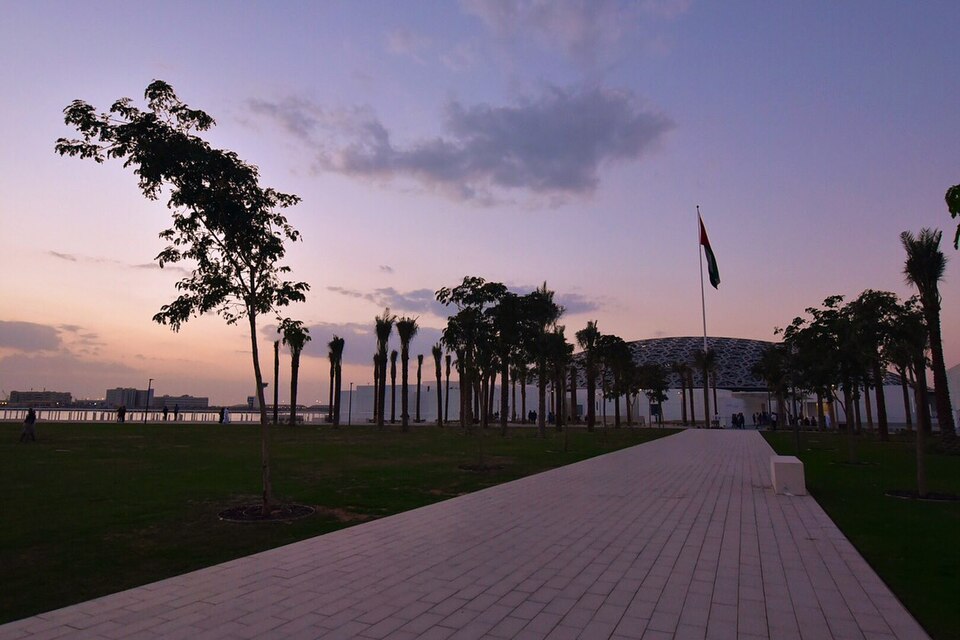
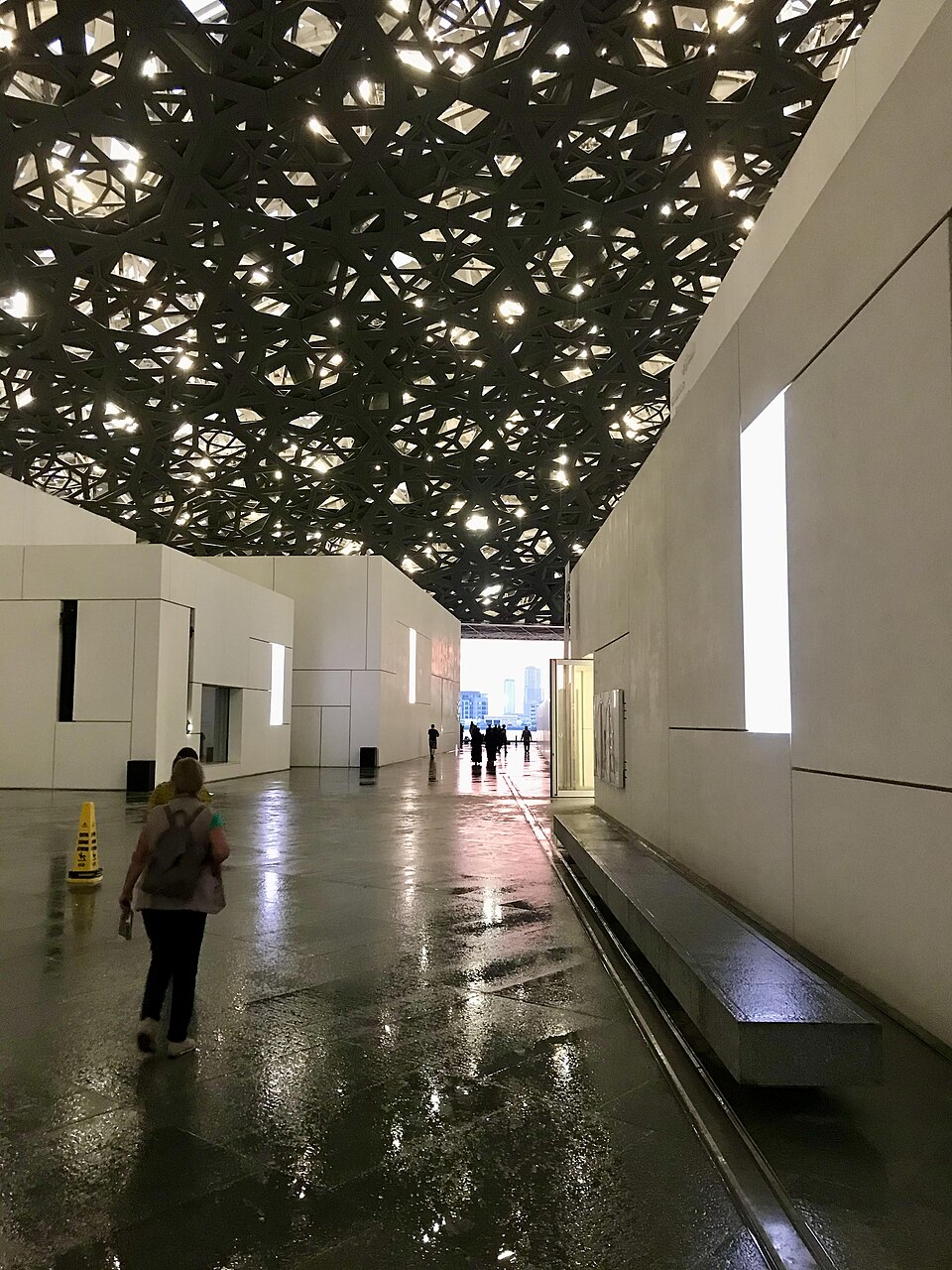
Saadiyat Island is strongly associated with art, culture and coastal landscapes. Louvre Abu Dhabi is a major institution here, and the wider cultural district has continued to develop. Check each museum's official site for exhibitions, admission, accessibility and opening times. An impressive building exterior is only the beginning: give yourself time to experience the galleries and the island setting rather than treating a museum as a brief photo opportunity.
Saadiyat also has residential and beach areas, but access to every stretch of shoreline cannot be assumed. Hotels, venues and developments may have their own rules. A household considering the island should test its commute and daily access to services as carefully as a visitor checks a museum booking. The island's cultural profile is important, yet it is one part of a city that also has established mainland communities and an active central business area.
The Sheikh Zayed Grand Mosque
The Sheikh Zayed Grand Mosque is among the capital's best-known landmarks and an important place of worship. Visitors should consult its official guidance for permitted times, booking, dress requirements and conduct. These details can change and religious observances affect access. Approach a visit respectfully rather than treating the site simply as architectural scenery.
The mosque's scale can make it tempting to fit it between several other stops. Allow time for entry procedures, a considered visit and onward travel. If travelling with children, explain the expectations before arrival and check any relevant access information. The experience is more rewarding when it is given its own place in an itinerary alongside, rather than squeezed between, museums and waterfront attractions.
Yas Island, Al Reem and Other Areas
Yas Island is known for leisure and events; Al Reem Island offers a high-rise residential setting with links to the centre. Al Raha Beach and Khalifa City are among other areas that households may consider, each with a different geography. These names are not interchangeable simply because they appear in searches for Abu Dhabi homes. Compare exact locations, nearby services and road access instead of making a decision based on one district reputation.
A family that regularly uses a particular school or workplace may find a less celebrated neighbourhood more practical than a coastal address farther away. Some districts offer apartment living; others have different housing forms and street patterns. Visit each candidate area at the times you expect to travel. Abu Dhabi's variety is an advantage only when matched to the routine and priorities of the people who will live there.
Getting Around Abu Dhabi
Roads and bridges connect the capital's islands and mainland areas. Public transport options should be checked through the relevant local authority for current routes and fares. For many journeys, the exact building entrance and bridge connection matter more than an aerial distance. A route between two islands may be straightforward by car yet inconvenient on foot, so do not assume a short line on a map represents a walkable trip.
Visitors moving between the Corniche, Saadiyat and Yas should plan separate travel legs. Residents should test the work and school commute during normal hours, including the return journey. Traffic patterns vary by day and event. If travelling from Dubai, build in a meaningful amount of time for an intercity journey rather than presenting Abu Dhabi as a quick extension of a Dubai neighbourhood tour.
Culture Beyond the Headlines
The capital's cultural life includes much more than one museum or landmark. The official Experience Abu Dhabi guide brings together exhibitions, heritage sites and places to explore. Mangrove areas and coastal parks offer another perspective on the city's landscape; any activity on the water should follow the operator's and authority's guidance. A balanced itinerary might combine an institution, a public space and time in an ordinary neighbourhood.
Venues evolve, exhibitions change and public access can vary. Check details close to a visit rather than relying on an old list. The most informative approach is to see how cultural institutions sit within the broader city: routes, cafés, residents and the surrounding landscape all shape the experience. Abu Dhabi's identity cannot be reduced to monumental buildings, even when those buildings are a compelling introduction.
Families and Private Education
Abu Dhabi has families from the UAE and many other countries, and private schools offer different curricula and settings. The Abu Dhabi Department of Education and Knowledge, ADEK, is the relevant authority for private schools in the emirate. Families should check official school information and speak to institutions about admissions, fees, year-group placement and transport. The school that fits one child may not suit another, even within the same neighbourhood.
Daily travel can be as important as a school's curriculum. A home on one island and a campus across the city may create a demanding schedule once activities and work are included. Visit potential schools and test the route at the actual start and finish times. Our separate Abu Dhabi schools-for-sale page addresses school ownership and acquisition issues; it should not be confused with guidance to parents or taken to imply any particular school is currently available.
Abu Dhabi and Dubai in Perspective
Abu Dhabi and Dubai are often mentioned together, but they are different cities in different emirates. Dubai's Downtown core, Creek districts and Marina make one set of urban experiences; Abu Dhabi's island geography, federal institutions and cultural landscape make another. A journey between them is entirely possible, but it takes more planning than moving between neighbouring districts within one city.
If you are comparing homes or schools, avoid turning the decision into a simple rivalry between emirates. Start with employment, family relationships, the schools available to your children and the journeys you would make every week. A visitor might enjoy both cities as separate stages of a UAE trip. A resident needs an arrangement that works on an ordinary Tuesday, not just a memorable weekend.
Planning a Considered Visit
Use official visitor information to check current access to museums, the mosque and waterfront facilities. Choose a manageable set of places rather than attempting every island in a day. Consider the climate and allow for road journeys between attractions. If you are researching the city as a potential home, use part of the visit for everyday tasks: test a commute, walk a local street and inspect the services near a possible address.
The capital rewards attention beyond its best-known landmarks. Its geography, people and different neighbourhoods are the basis of daily life. A first visit will not answer every question, but it can establish the distinctions that matter: island versus mainland, cultural destination versus residential community, and tourism route versus weekday routine. Use this guide as a starting point and verify changing details with the relevant official sources.
Choosing Between Islands and Mainland Areas
A search for an Abu Dhabi home can produce addresses with very different settings. The main island's established streets place some residents close to central workplaces and the Corniche. Saadiyat has cultural destinations and coastal areas; Al Reem has a different high-rise character; mainland communities may offer other housing forms and routes. Begin with the household's actual destinations and inspect the roads and bridges used to reach them. A neighbourhood name is not enough to predict a commute.
Schools, healthcare and daily shops should be assessed at the exact address. A location that feels quiet on a weekend might involve a difficult weekday journey, while a busier central street may save substantial time. Ask whether family members can reach their most important services without every trip becoming a drive across the city. Consider opportunities for outdoor time in different seasons. The capital's geography offers real choices, but it also means that apparently close places can be separated by water or limited connections.
If you are relocating between Dubai and Abu Dhabi, resist comparing them only through iconic landmarks. The practical choice depends on employment, family ties, educational needs and tolerance for travel. Visit possible neighbourhoods at comparable times, ideally on working days, and note the differences in housing, access and public space. A waterfront image cannot answer whether a child will have time for activities after school or how reliable a particular route is.
Researching Culture, Schools and Services
Official sources serve different purposes. Experience Abu Dhabi helps with visitor attractions; the Sheikh Zayed Grand Mosque's own guidance explains visiting rules; ADEK provides relevant school information for the emirate. Relying on one source for all three questions can lead to mistakes. Check the operator or authority responsible for a particular place, especially before buying tickets or arranging a school visit. Hours, admission procedures and programmes may change.
When planning cultural time, allow room for the experience itself. A Louvre Abu Dhabi visit involves more than reaching Saadiyat; exhibitions and collections deserve attention. A mosque visit carries its own expectations around conduct and access. A waterfront walk is affected by the season and the specific stretch chosen. Putting all three into a hurried sequence may be possible on paper but unsatisfying in practice. An itinerary that allows generous travel and breaks is better for a family than a list of photo stops.
Education research requires particular care because choices have long-term effects. A private school's curriculum, inspections, admissions and travel arrangements should be verified with ADEK and the school. If the purpose is school acquisition, different questions arise about licensing, ownership and due diligence. The dedicated Abu Dhabi schools-for-sale article addresses those transaction issues, while this page remains a guide to the capital as a place to visit or live.
- schools for sale in the United Arab Emirates
- Dubai city neighbourhood guide
- schools for sale in Abu Dhabi
- Experience Abu Dhabi — official visitor guide
Start a confidential conversation with School-sale.com.