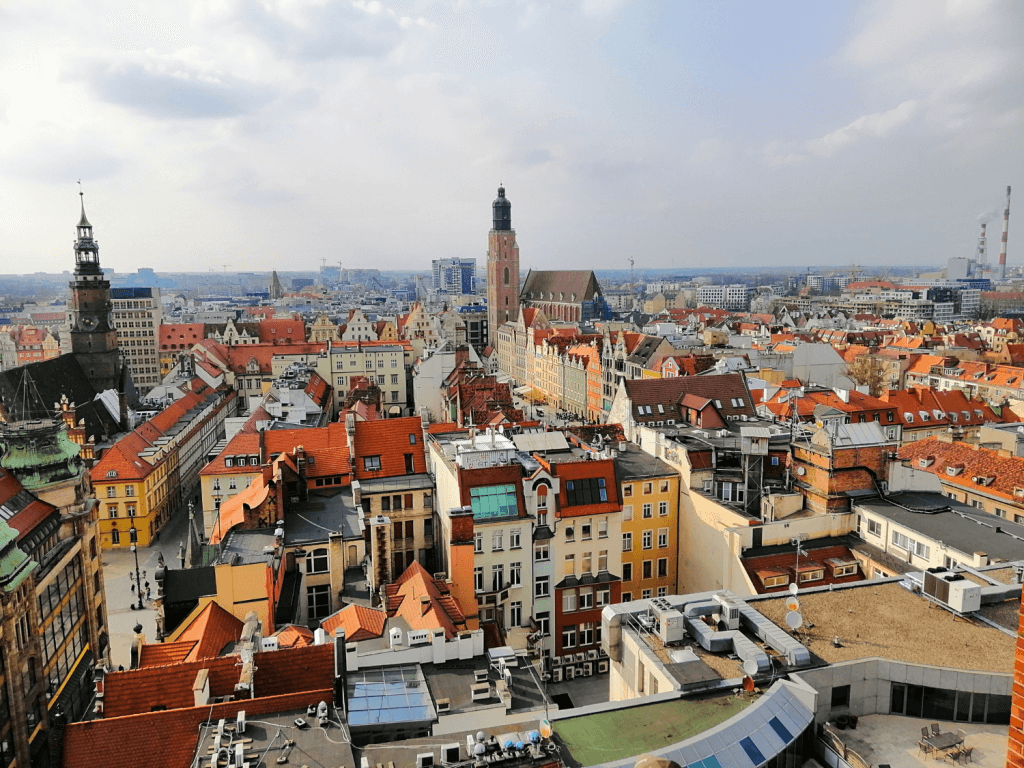
Why Polish Education Has Become One of Central Europe’s Quiet Investment Success Stories
For much of the past three decades, Poland’s investment narrative has been dominated by manufacturing, logistics and technology outsourcing. Education, by contrast, has tended to operate below the radar. Yet for investors prepared to look beyond the obvious, the country’s private education sector has matured into one of the most structurally interesting and defensible markets in the region.
In Poland, schools are no longer viewed solely as civic institutions or founder-led enterprises. Increasingly, they are recognised as regulated operating businesses with predictable demand, long operating histories and a growing role in an economy that continues to internationalise. For buyers searching for a school for sale in Poland, the opportunity lies not in speculative growth, but in stability underpinned by demographics, regulation and parental priority.
This article examines how Poland’s private education market has evolved, why schools are coming to market, what investors are really acquiring, and why education has become one of the country’s most quietly dependable long-term investment themes.
A Country Where Education Has Become a Strategic Priority
Poland’s education system has undergone significant transformation since the early years of economic transition. While the public sector remains extensive and widely used, private education has expanded steadily, driven by rising household incomes, urbanisation and growing expectations around educational outcomes.
Families increasingly view education as a long-term investment rather than a public utility. Smaller class sizes, language provision, international curricula and continuity through school stages have become decisive factors in parental choice. This shift has fuelled sustained growth in private and independent schools, particularly in urban centres.
For investors, the key point is consistency. Demand for education is not discretionary. Even during periods of economic uncertainty, families prioritise schooling, reallocating expenditure rather than withdrawing from education altogether.
The Structure of Poland’s Private Education Market
Poland’s private education sector encompasses a broad range of institutions. These include independent Polish-language schools, bilingual schools, international schools and specialist colleges. Some operate as fully private entities; others receive limited public funding while maintaining private governance.
International schools form a visible and growing segment. Concentrated primarily in Warsaw, Kraków, Wrocław and other major cities, they serve expatriate families, returning Polish nationals and internationally minded domestic households. British, American, International Baccalaureate and European curricula are well represented, reflecting Poland’s integration into global labour markets.
Alongside these sit national private schools catering to local demand, often operating at lower fee levels but benefiting from strong community ties and stable enrolment.
This diversity creates resilience. The market is not dependent on a single demographic group or economic driver, reducing volatility for long-term owners.
Regulation: Often Misunderstood, Increasingly Valued
Poland’s education sector operates within a defined regulatory framework overseen by national and local authorities. Private schools must meet standards relating to facilities, staffing, safeguarding and curriculum delivery. Licensing and inspection processes are established, and compliance is monitored regularly.
While regulation can appear complex to new entrants, experienced investors increasingly view it as a source of confidence. Clear rules limit opportunistic entry and support quality across the sector. Schools that operate compliantly tend to benefit from predictable operating conditions, a crucial factor for buyers assessing risk.
Importantly, regulatory change in Poland has tended to be evolutionary rather than abrupt. Adjustments are usually signalled in advance, allowing operators to plan rather than react.
Why Schools Come to Market in Poland
Schools in Poland rarely come to market because demand has evaporated. More commonly, sales reflect maturity and transition. Founders approach retirement. Families seek to realise value after years of organic growth. Educational associations consolidate assets. International operators rebalance regional exposure.
Assets offered for sale are often operational, licensed and supported by established enrolment histories. This maturity shapes the acquisition process. Buyers are not typically asked to rescue distressed institutions, but to provide continuity, governance and, in some cases, capital for measured expansion.
As a result, due diligence focuses on sustainability rather than turnaround: leadership depth, compliance culture and the durability of the school’s reputation.
Who Is Buying Schools in Poland
The buyer profile in Poland’s education market has evolved significantly. Early transactions were often local, involving educators or small groups. Today, interest increasingly comes from family offices, regional education platforms and international investors familiar with regulated service sectors.
These buyers approach acquisitions with discipline. Financial performance is analysed alongside non-financial indicators such as inspection outcomes, staff retention and parental satisfaction. Independent education advisers are often engaged to assess academic quality and operational risk, while legal specialists verify licensing and regulatory compliance.
Financial modelling tends to be conservative. Enrolment forecasts are stress-tested. Fee assumptions are benchmarked against comparable schools. Cash-flow projections are examined under downside scenarios. This rigour reflects the seriousness with which education assets are now evaluated.
International Schools: Growing Demand, High Expectations
International schools sit at the upper end of Poland’s private education market. Annual tuition fees vary by curriculum and year group, but international schools typically command premiums reflecting language provision, facilities and recognised examination pathways.
Parents paying these fees expect outcomes: academic progression, pastoral care and continuity through secondary education. For investors, this creates both opportunity and obligation. Revenue profiles can be attractive, but operational standards must remain high.
Staffing costs are significant, particularly where international teachers are employed. Inspection regimes are rigorous. Reputational risk is real. Successful operators invest heavily in leadership, governance and quality assurance, recognising that demand is contingent on trust.
National Private and Bilingual Schools
Alongside international provision, Poland’s national private and bilingual schools represent a substantial and often overlooked segment of the market. These schools typically operate at more accessible fee levels, drawing primarily from domestic households.
Margins in this segment can be narrower, yet enrolment stability is often strong. Demand is driven by local demographics and parental preference rather than international mobility, providing resilience during periods of global disruption.
For investors, such schools can offer dependable cash flow and lower volatility, particularly when governance structures are robust and cost control is disciplined.
Geography and Urban Concentration
Poland’s private education market is closely tied to urban development. Warsaw dominates transaction activity, reflecting its role as the country’s economic and diplomatic centre. Other major cities, including Kraków, Wrocław, Poznań and Gdańsk, also support thriving private education sectors.
These urban centres benefit from population growth, international employment and rising household incomes. Competition can be intense, but so too is demand for well-regarded schools with established reputations.
Smaller cities and regional towns present different dynamics. Schools here often serve stable local populations, operating at lower fee levels but benefiting from strong community loyalty.
Understanding these geographic nuances is essential. Investors who align a school’s offering with its catchment and demographic profile tend to achieve better long-term outcomes.
What a School Sale Really Includes
A school transaction in Poland extends beyond physical assets. Buyers acquire a regulated operation comprising licences, curriculum approvals, staff contracts, parent agreements and established relationships with educational authorities.
Due diligence is therefore detailed. Investors review enrolment trends by year group, fee collection history, staff turnover and inspection outcomes. Governance structures are scrutinised closely, particularly where founders have played central operational roles.
Independent valuers may be engaged to benchmark fees and assess sustainability. Education consultants provide objective assessments of academic standards and operational resilience. Legal advisers ensure that licences and approvals are transferable and compliant.
Fees, Costs and Margin Reality
Fee levels in Poland vary significantly by region, curriculum and positioning. International schools command the highest fees, while national private schools operate at more accessible levels.
Operating costs are dominated by staffing, facilities and compliance. Teacher salaries represent the largest expense line, followed by facility maintenance, administration and regulatory requirements. Investment in technology and extracurricular provision has become increasingly important in maintaining competitiveness.
Margins improve with scale and operational efficiency, but only where governance and systems keep pace. Schools that expand enrolment without strengthening leadership and infrastructure often find that complexity erodes profitability.
Regulation as a Source of Long-Term Stability
Poland’s regulatory environment is increasingly cited by investors as a source of reassurance. Oversight is consistent, enforcement is predictable and expectations are clear. While compliance requires diligence, it also supports quality and limits speculative entry.
This regulatory discipline contributes to market stability. Schools that meet standards and maintain transparent governance tend to operate predictably, supporting long-term planning and valuation.
For investors accustomed to regulatory volatility in other emerging markets, Poland’s framework offers a degree of certainty that is increasingly valued.
Value Creation After Acquisition
Value creation in Polish schools is typically incremental rather than transformational. Modest capacity expansion, careful fee calibration, enhanced bilingual or international provision and improved operational efficiency can all contribute to returns.
Digital systems increasingly support administration, communication and learning delivery, improving efficiency and transparency. Parents value professionalism and clarity, and schools that deliver both tend to enjoy stronger loyalty.
Reputation compounds over time. Schools that maintain academic standards and governance discipline often benefit from waiting lists, insulating revenue through economic cycles.
Education as a Long-Term Investment Allocation
Private education in Poland increasingly resembles infrastructure rather than discretionary spending. Demand is visible, regulation is structured and assets are embedded in communities that value continuity and academic outcomes.
For investors, schools offer clarity. Risks are identifiable and manageable. Returns may not be spectacular, but they are durable, supported by demographics, cultural emphasis on education and regulatory consistency rather than sentiment.
Those acquiring schools today are positioning themselves within a sector aligned with Poland’s long-term social and economic trajectory. In a region often characterised by rapid change, education stands out as one of the country’s most quietly dependable investment opportunities.
Financial Disclaimer: The information provided in this article is for general informational purposes only and does not constitute financial advice. While every effort has been made to ensure the accuracy of the content, market conditions may change, and unforeseen risks may arise. The author and publisher of this article do not accept liability for any losses or damages arising directly or indirectly from the use of the information contained herein.
Copyright 2026: schools-sale.com
Picture by:freepik.com